




Certificate in Medical laboratory Techonology
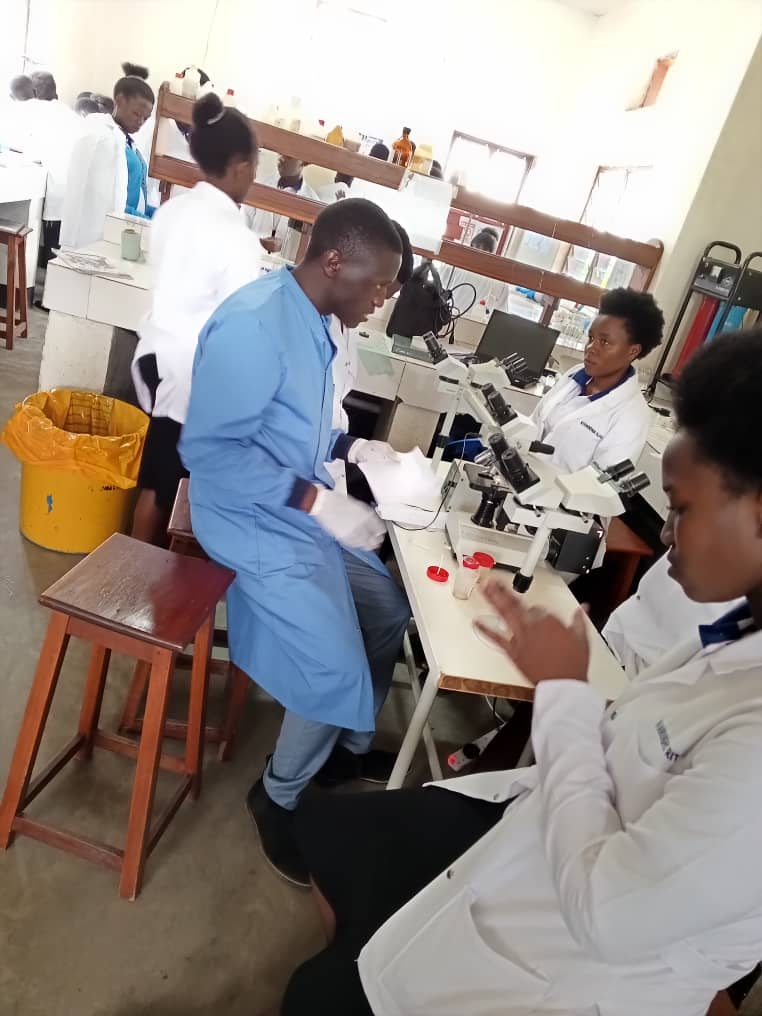
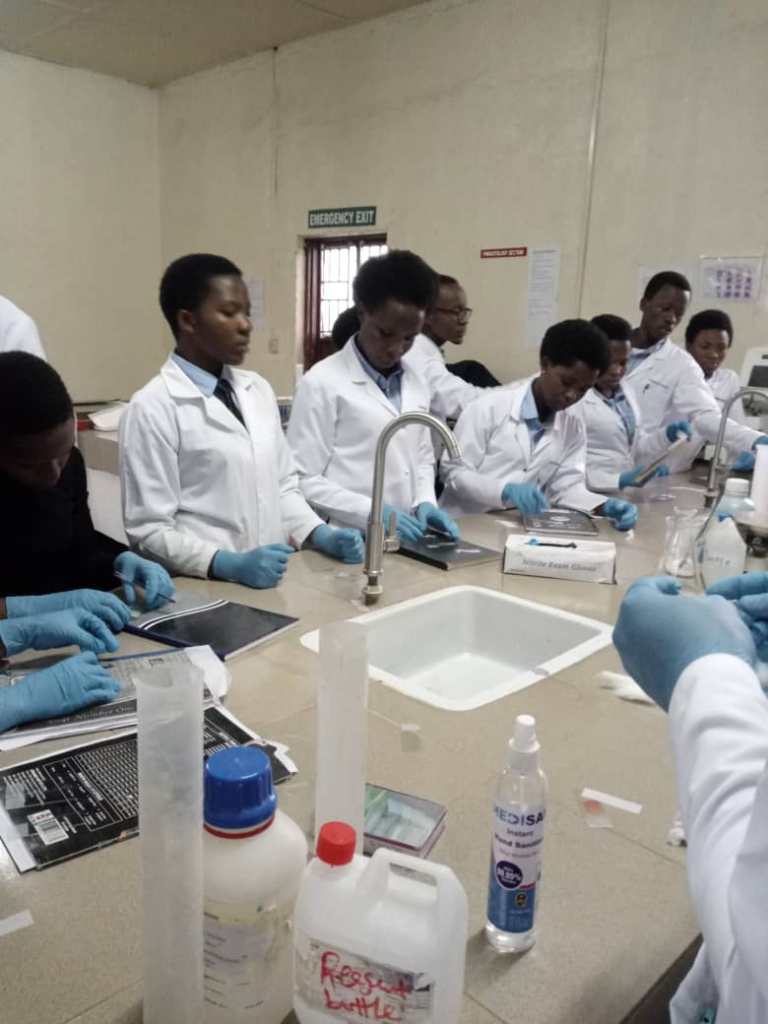
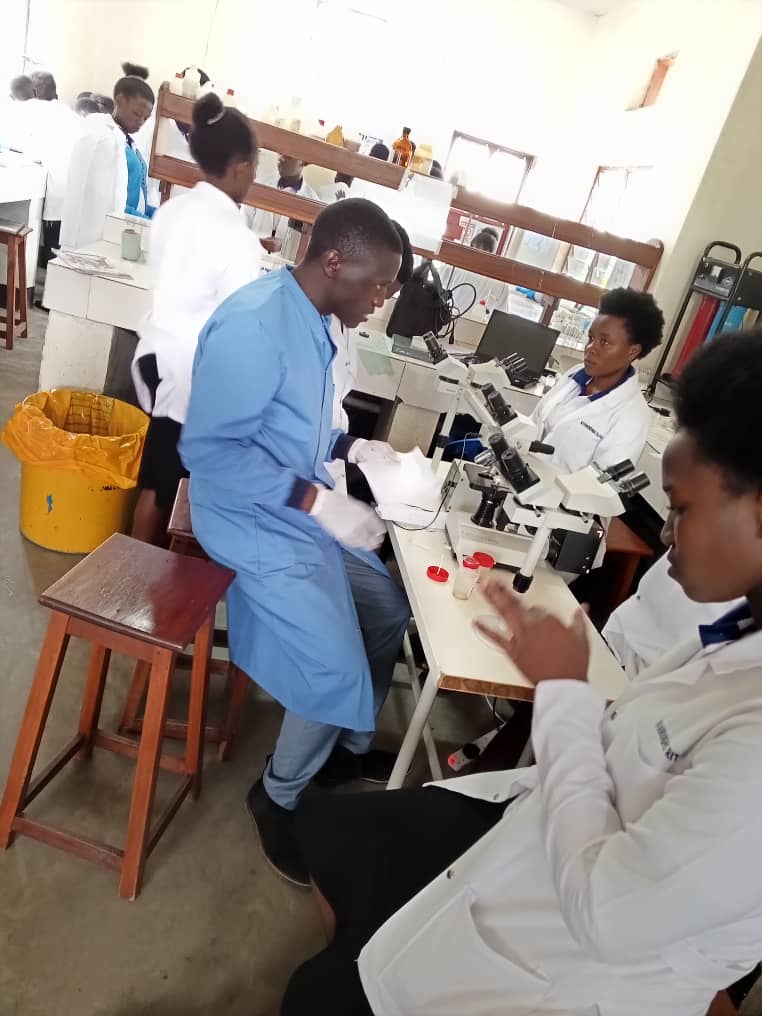
A Certificate in Medical Laboratory Technology (CLT) is a specialized program designed to train individuals in the fundamental skills and knowledge required to work as a medical laboratory technician. Here’s an outline of what you might expect from such a program:
Program Overview:
Introduction to Medical Laboratory Science: An overview of the role and importance of medical laboratory technicians in healthcare settings.
Basic Sciences: Foundational courses in biology, chemistry, and anatomy & physiology to provide a solid understanding of the scientific principles underlying laboratory testing.
Medical Laboratory Techniques: Hands-on training in performing various laboratory tests, including:
- Hematology: Blood cell counts, blood smears, coagulation tests.
- Clinical Chemistry: Blood glucose, cholesterol, liver function tests.
- Microbiology: Culture and sensitivity testing, identification of pathogens.
- Immunology: Serological testing, immunoassays.
- Urinalysis: Analysis of urine samples for abnormalities.
Laboratory Safety and Quality Assurance: Training in laboratory safety procedures, handling of hazardous materials, and quality control measures to ensure accurate and reliable test results.
Instrumentation and Equipment: Familiarization with common laboratory instruments and equipment used for testing and analysis, including automated analyzers and microscopes.
Medical Ethics and Professionalism: Understanding ethical principles and professional standards in laboratory practice, including patient confidentiality and communication skills.
Clinical Practicum: Hands-on experience in a clinical laboratory setting, under the supervision of experienced technologists, to apply theoretical knowledge and develop practical skills.
Duration: Certificate programs in medical laboratory technology typically 2 years, depending on the institution and the specific curriculum.
Career Opportunities: Graduates of Certificate in Medical Laboratory Technology programs are qualified to work as medical laboratory technicians in various healthcare settings, including hospitals, clinics, diagnostic laboratories, research laboratories, and public health agencies. They may also pursue further education and certification to advance their careers as medical laboratory technologists or specialize in specific areas of laboratory science.
Overall, a Certificate in Medical Laboratory Technology provides a solid foundation for individuals seeking to enter the field of clinical laboratory science and play a vital role in healthcare delivery.
Certificate in Theatre Techniques
A Certificate in Medical Theatre Techniques is a specialized program that combines aspects of theater production with medical simulation and education. Here’s an overview of what you might expect from such a program:
Program Overview:
Introduction to Medical Theatre: An overview of the concept of medical theater, which involves the use of theatrical techniques and simulation to enhance medical education, training, and patient care.
Acting for Medical Simulation: Training in basic acting techniques adapted for medical simulation scenarios. Students learn how to portray patients, family members, and healthcare professionals realistically to create immersive learning experiences.
Scenario Development: Instruction in creating and scripting medical simulation scenarios that replicate real-life clinical situations. Students learn how to develop scenarios that address specific learning objectives and clinical competencies.
Role of Standardized Patients: Training in the role of standardized patients, who are individuals trained to portray patients with specific medical conditions or characteristics for educational purposes. Students learn how to recruit, train, and supervise standardized patients for simulation activities.
Technical Skills: Hands-on training in the technical aspects of medical simulation, including setting up simulation equipment, operating patient simulators and other medical devices, and managing simulated clinical environments.
Debriefing and Feedback: Instruction in debriefing techniques to facilitate reflective learning and feedback sessions following simulation exercises. Students learn how to lead debriefing sessions effectively and provide constructive feedback to learners.
Ethical and Legal Considerations: Discussion of ethical and legal issues related to medical simulation, including patient confidentiality, consent, professionalism, and liability. Students learn how to navigate these issues in the context of simulation-based education and training.
Interprofessional Collaboration: Opportunities for interprofessional collaboration with students from other healthcare disciplines, such as nursing, pharmacy, and allied health professions. Students learn how to work effectively as part of a healthcare team in simulated clinical environments.
Duration: Certificate programs in Medical Theatre Techniques typically 2 years
Diploma in Medical Laboratory Technology
A Diploma in Medical Laboratory Technology (DMLT) is a specialized program designed to train students in the theoretical knowledge and practical skills necessary to work as medical laboratory technicians. Here’s an overview of what you might expect from such a program:
Program Overview:
Introduction to Medical Laboratory Science: An overview of the role and importance of medical laboratory technicians in healthcare settings, including the principles of laboratory medicine, medical terminology, and laboratory safety.
Basic Sciences: Courses in biology, chemistry, and anatomy & physiology to provide students with a solid foundation in the scientific principles underlying laboratory testing.
Medical Laboratory Techniques: Practical training in performing a wide range of laboratory tests, including:
Hematology: Blood cell counts, blood smears, coagulation tests.
Clinical Chemistry: Blood glucose, cholesterol, liver function tests.
Microbiology: Culture and sensitivity testing, identification of pathogens.
Immunology: Serological testing, immunoassays.
Urinalysis: Analysis of urine samples for abnormalities.
Laboratory Equipment and Instrumentation: Instruction on the operation and maintenance of common laboratory instruments and equipment used for testing and analysis, including automated analyzers, microscopes, and centrifuges.
Quality Control and Assurance: Training in quality control measures and procedures to ensure the accuracy and reliability of test results, including proficiency testing, calibration, and validation of laboratory methods.
Clinical Practicum: Hands-on experience in a clinical laboratory setting, under the supervision of experienced technologists, to apply theoretical knowledge and develop practical skills in a real-world healthcare environment.
Ethics and Professionalism: Understanding of ethical principles and professional standards in laboratory practice, including patient confidentiality, informed consent, and communication skills.
Duration: Diploma programs in Medical Laboratory Technology is typically 3 years
Career Opportunities: Graduates of Diploma in Medical Laboratory Technology programs are qualified to work as medical laboratory technicians in various healthcare settings, including hospitals, clinics, diagnostic laboratories, research laboratories, and public health agencies. They may perform a wide range of laboratory tests, analyze specimens, maintain laboratory equipment, and assist in the diagnosis and treatment of diseases.
Overall, a Diploma in Medical Laboratory Technology provides students with the knowledge, skills, and practical experience necessary to pursue a rewarding career in clinical laboratory science and contribute to the delivery of quality healthcare services.
Diploma in clinical Medicine and Community Health
This is a 3-year post-secondary health training programme designed to prepare you for frontline clinical and community health work. It combines theory and practical clinical training so graduates can diagnose, treat and manage common illnesses and support public health in community settings.
Graduates are often employed as Clinical Officers or Community Health Practitioners in health centres, hospitals, government services, NGOs and humanitarian programmes.
🎓 Who Can Apply (Entry Requirements)
💡 Direct Entrants
- Uganda Advanced Certificate of Education (UACE) with at least:
- 1 Principal Pass in Biology, and
- Subsidiary pass in one of: Chemistry, Physics, Mathematics, Foods & Nutrition (varies slightly by institution).
💼 Extensors (Health Workers Upgrading)
- A certificate in a related health discipline (e.g., Nursing, Midwifery, Laboratory Sciences), plus 2 years of relevant work experience.
🗓️ Duration
📍 Typically 3 years (six semesters) of full-time study.
📚 What You Study
The curriculum covers:
- Biomedical sciences (Anatomy, Physiology, Microbiology)
- Pharmacology & Therapeutics
- Medicine, Surgery, Pediatrics
- Maternal and Child Health
- Community Health and Public Health
- Nursing and clinical procedures
- Patient communication and medical ethics
- Research methods and health education
Practical clinical rotations in hospitals and health centres are a key part of the training.
🩺 Skills and Competencies Gained
Graduates are trained to:
✅ Take patient histories and perform physical exams
✅ Diagnose and manage common diseases
✅ Administer appropriate treatments, including simple surgical procedures
✅ Provide preventive health services and community health education
✅ Identify emergencies and stabilize before referral
✅ Participate in planning, implementing and evaluating primary health care programmes
📈 Career OpportunitiesWith this diploma you can work as:
- Clinical Officer in hospitals & health centres
- Health Centre In-Charge
- Community Health Practitioner
- Medical research assistant or public health worker
- NGO and international health programmes staff
Many graduates also upgrade to Bachelor’s degrees (e.g., in Clinical Medicine) or enter specialised clinical fields with further study.
📌 Professional Recognition
In Uganda, the diploma is usually accredited by the Uganda Health Professions Assessment Board (UAPAB) and holders register with the Allied Health Professionals’ Council to practice legally.
🟡 Summary at a Glance
| Feature | Detail |
|---|---|
| Duration | ~3 years |
| Entry | UACE with Biology + subsidiary; or health certificate + experience |
| Focus | Clinical care + Community health |
| Outcome | Diploma + eligibility to register as a Clinical Officer |
| Work Places | Hospitals, Health Centres, NGOs, Community Programs |
 KAGANDO SCHOOL OF NURSING AND MIDWIFERY